 the anti job boardactive 1mo ago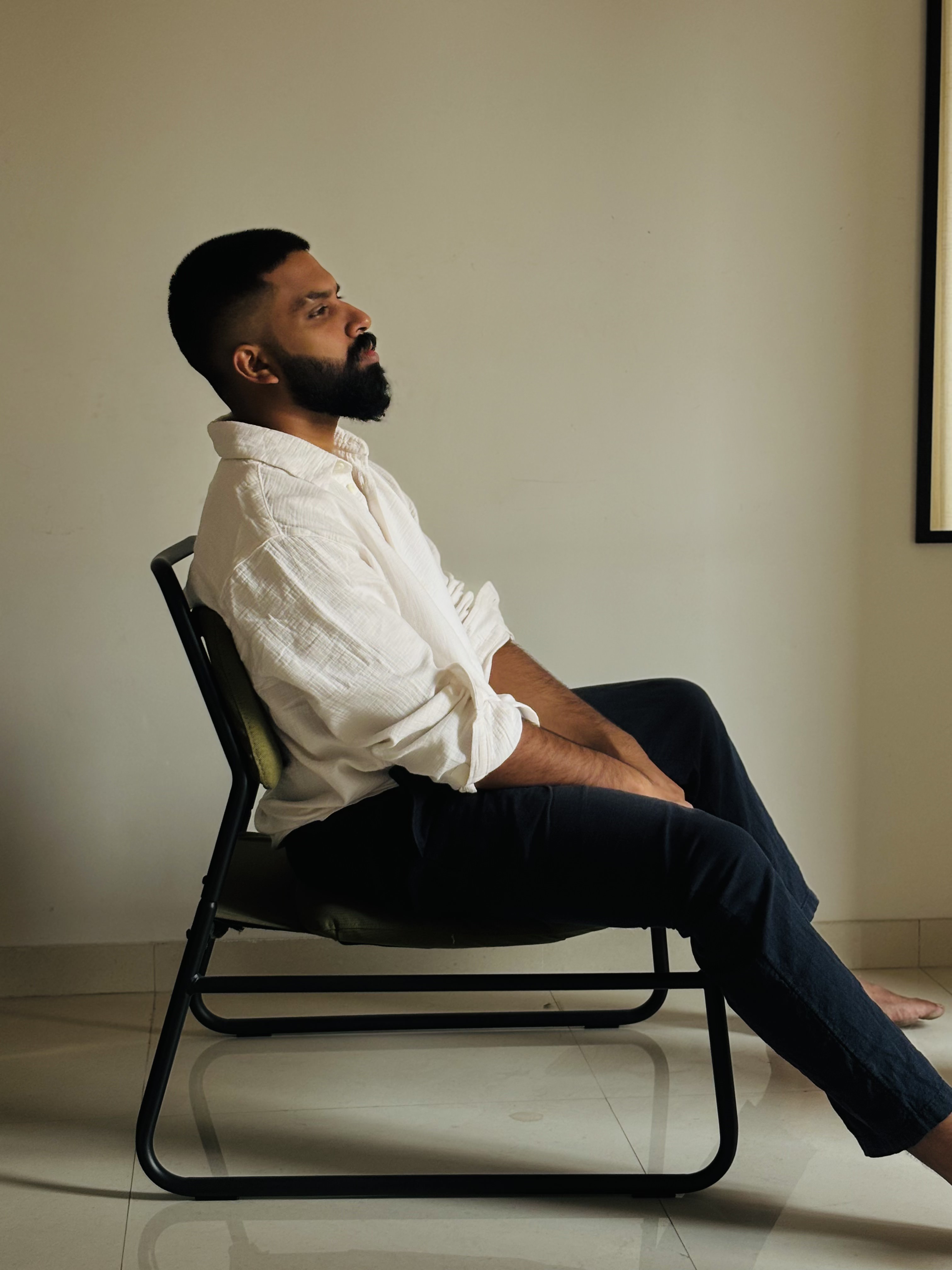
Shreehari Aravind
builder
Looking for
The story
What Shreehari is looking for
I want to sit at the intersection of product, design, and AI engineering in a fast-moving team. Day to day, I want to own ambiguous problems end-to-end: talk to users, understand the real workflow, design the product system, build prototypes in code, ship quickly, and keep refining until it feels obvious and useful. This is what I have been doing since the last couple of years with Codex, Cursor and Figma as my main drivers
Why Shreehari is exploring
At Craze YC (S22), I found the kind of work that energizes me most: building AI-native product workflows, turning design systems into code, and helping teams ship dramatically faster. I took a process that normally took around three weeks and brought it down to two or three days by combining Figma Code Connect, Codex, Cursor, custom animation and accessibility skills. I recently quit this role because I feel my skills could be useful in bigger teams targeting bigger markets. The growth in terms of revenue was not satisfactory for me, having worked in high-growth startups before.
What won't fit on a resume
At Craze (YC S22), I built an AI-assisted product development workflow around our custom design system. Previously, every new feature went through the usual Figma → design review → frontend implementation loop. I used Figma Code Connect to map our design-system components to real code, then brought that structure into Codex and Cursor so coding agents could generate production UI using our actual components, patterns, animations, and accessibility rules instead of vague screenshots or one-off prompts. To make it reliable, I created reusable AI “skills” for our animation patterns, accessibility standards, and design principles. These acted like a layer of product/design memory: when an agent built a feature, it knew how our components behaved, how motion should feel, what accessibility constraints mattered, and what visual decisions were consistent with the Craze brand. The impact was significant. A typical design + frontend build cycle went from around three weeks to two or three days. I mostly stopped using Figma for new feature work and only opened it for minor tweaks or edge cases when the coding agents needed extra guidance. The workflow also scaled beyond the original product. When we started building a completely new product around agentic AI systems with a different design language, I only had to adjust the skills and design rules slightly for the agents to perform at the same level. I also used Unicorn Studio for smaller personalized animations and larger full-page interactive animations.
Work & Projects
The Anti Job Board
Skip the application black hole. Get warm intros to founders hiring now.
Create your profile